

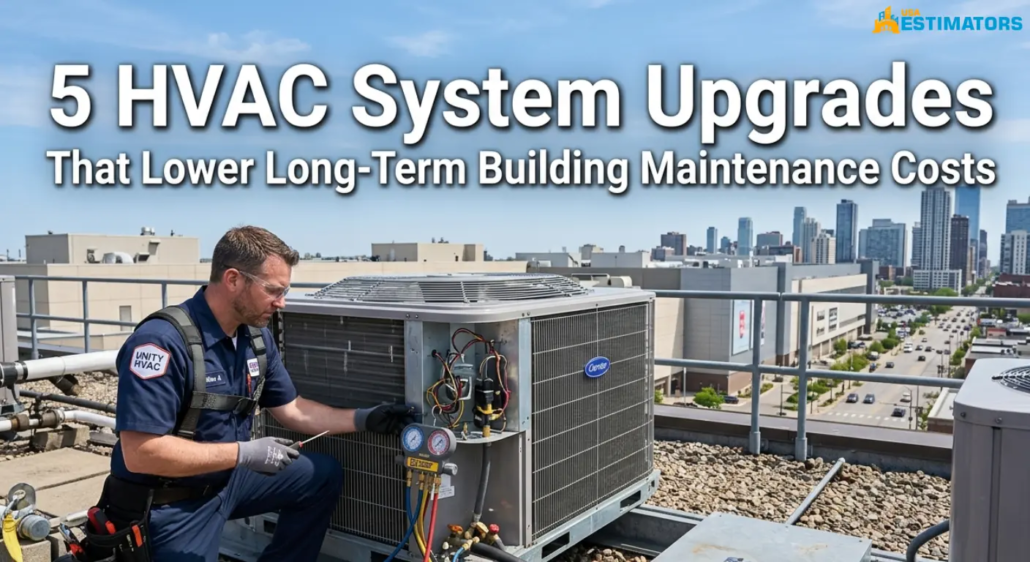
5 HVAC System Upgrades That Lower Long-Term Building Maintenance Costs
The homes with the lowest HVAC repair bills aren’t the ones with the best service plans. They’re the ones running equipment that doesn’t break in the first place. Most homeowners spend years overpaying for emergency calls and replacement parts before realizing the real lever sits upstream, in the equipment itself.
That’s the pattern the team at Expert HVAC Services by A/C Man Heating and Air sees across home retrofits in Northwest Arkansas: five specific upgrades quietly remove the failure modes that drive most of your service spend, and once they’re in place, HVAC maintenance stops being reactive and starts being predictable.
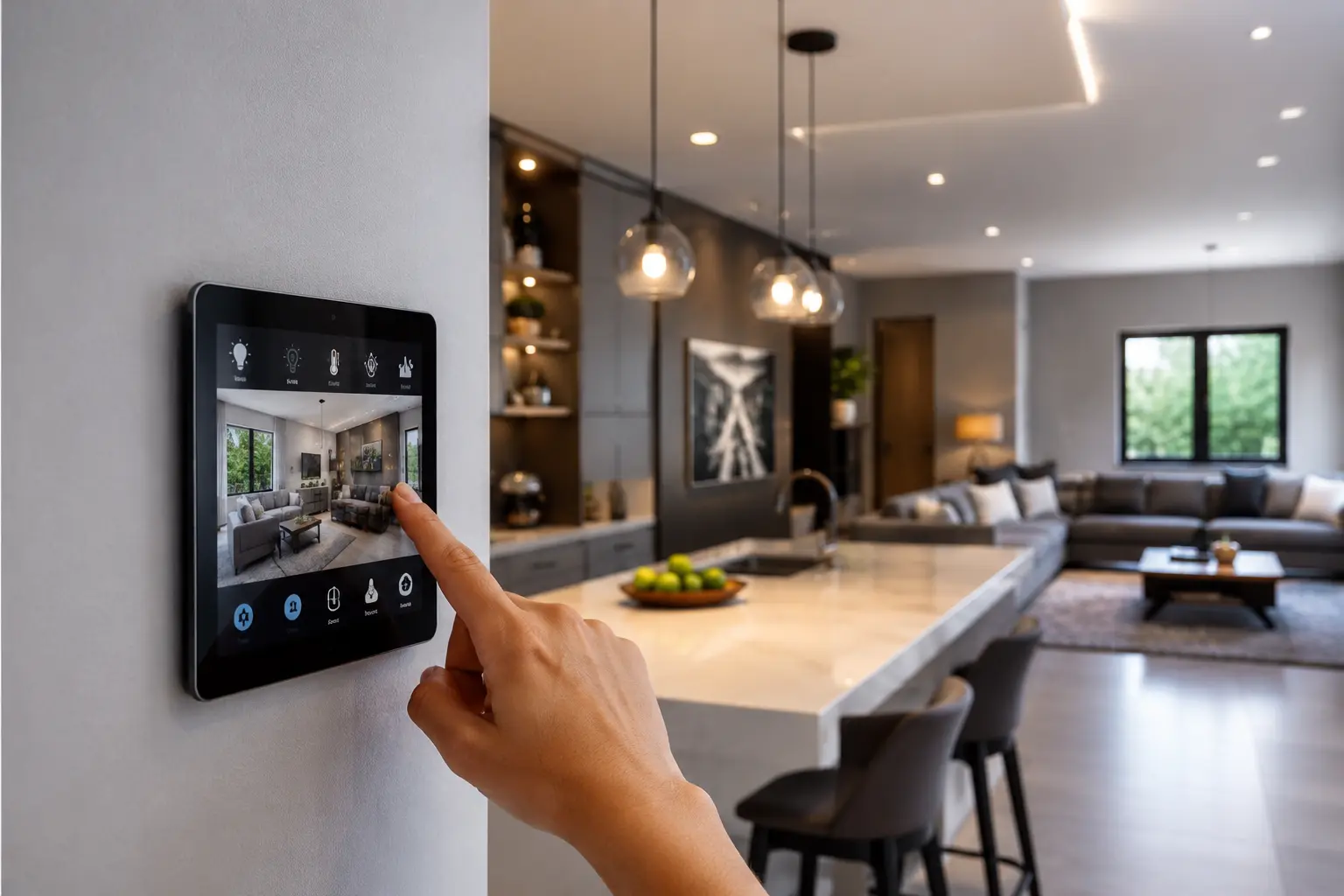
1. Smart Thermostats and Home Automation
Smart controls are usually the highest-ROI HVAC upgrade you can make, and they make every other upgrade on this list work harder.
A modern smart thermostat does more than hold a schedule. The current generation learns occupancy patterns, tracks humidity, monitors runtime, and flags abnormal system behavior before it becomes a service call.
ENERGY STAR-certified thermostats are smart solutions that save households 8% annually. But that’s not all! The thermostat sets back the system instead of holding a fix target. This phenomenon ensures you compressor cycles less and drop total runtime. Eventually, your component’s life is extended significantly.
When it comes to maintenance, thermostats are one of the most reliable upgrades. Modulating controls manage the system efficiently instead of slamming it on and off. At the same time, compressors cycle less, blower motors start fewer times, and gas furnaces ramp up slowly. All of this leads to less wear and fewer service calls. As a result, the equipment life is increased, and the repair budget becomes predictable instead of being reactive.
2. Variable-Speed (Inverter-Driven) HVAC Systems
A single-stage AC/heat pump running at traditional workflows has only one functional speed. It goes on full blast. On the contrarym variable speed systems have specialized inverter compressors and ECM blowers. These can ramp the output up or downspeed on demand. This is the same logic that makes a modern car last longer than 1990s one. That means variable speed HVAC systems will also last longer compared to typical single-stage systems.
That single change does two things for your long-term costs. It dramatically reduces wear on the compressor, the single most expensive component in your system, and the efficiency gain is significant. Per the U.S. Department of Energy, modern air-source heat pumps deliver two to four times more heat energy than the electricity they consume, with variable-speed models cutting heating electricity use by up to 75% versus electric resistance systems.
In practice, hard-start compressors fail earlier and louder. Soft-starting through an inverter pushes typical compressor life from 10 to 12 years closer to 15+ in residential applications. The system also dehumidifies far better than a single-stage unit, which is the second most common comfort complaint after temperature itself.
3. Higher Efficiency Heat Pumps And System Replacement
There comes a time when it is more expensive to patch a 15-year-old system than to replace it.
The new generation of highly efficient heat pumps and ACs save up to 20%-40% on energy costs compared to units 10-15 years ago, and SEER2 ratings in the high teens are unmatched by older systems. Consider any utility rebates or state incentives, and the payback period is usually 3-7 years.
The maintenance argument is the argument which is most often missed by homeowners. Modern systems are designed using standardized parts, have on-board diagnostics and do not employ refrigerants that are being phased out. R-22 systems are especially painful: No more production of this refrigerant, and any leak repair is quite expensive compared to the work itself. When your system is R-22 or older than 15 years, it is no longer a cost decision. The question is how much you are losing on the wait.
Ready to Win More Projects?
4. Zoning Systems
The majority of dwellings temperature control unused rooms. Your house is divided into separate thermal zones, with individual thermostats and dampers in each, thus preventing the bedrooms from cooling down at 2 pm or the south-facing living room from being the boss over the basement. Energy savings from residential zoning usually range from 20% to 30% for multi-story and large, single-story residences.
The benefits of maintenance are due to less equipment cycling. If one system is used for all rooms, it cycles at a high pace and will last less time. If zones are only on when occupied, then each zone in the system operates closer to the steady state load for the majority of the time. This is literally easier on the compressor, blower, and refrigerant lines.
But the comfort side is no less important. Two of the most common complaints we hear is the hot bedrooms in summer and the cold rooms in winter. Zoning can address both of these issues.
5. Water Filters and Water Treatment Systems
These are two smaller upgrades that, when combined, have a weight that is above their size.
ECMs are electronically commutated motors that operate much more efficiently than the older PSC motors. They are brushless, meaning that they have fewer mechanical failure points and will last longer. The U.S. Department of Energy also states that variable-speed blower motors also help to regulate airflow when the unit is operating at part-load, which helps overcome the problem of clogged coils, dirty filters and limited ducting. This upgrade usually recoups its cost in 3-4 years based on reduced electric costs and the elimination of electric service calls.
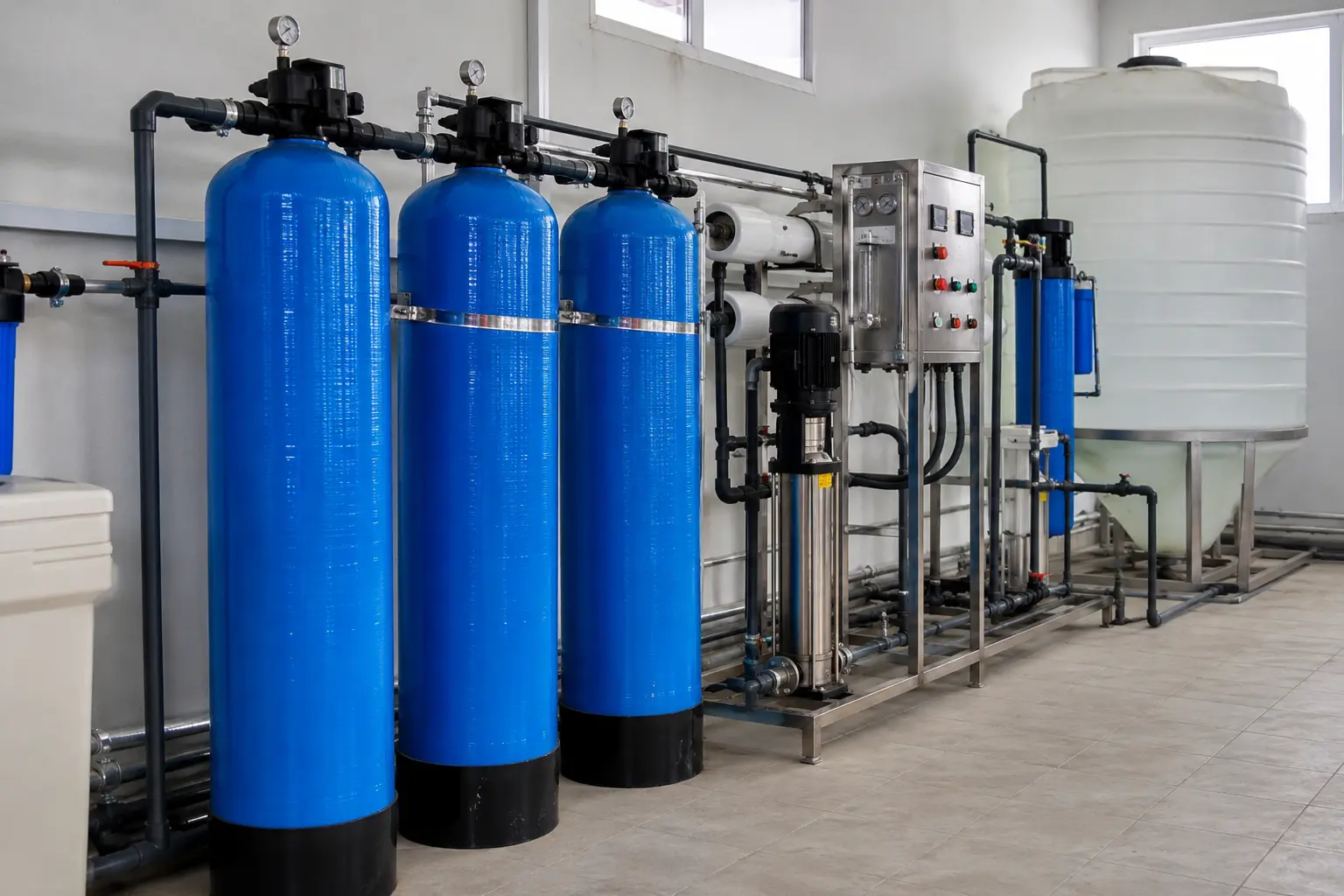
MERV 13 Filtering with UV-C Coil Treatment. Dirty coils are the silent killers of HVAC efficiency. Any amount of fouling results in longer runtimes, increased pressures and increased wear rates of all downstream components. Using a higher filter rating (MERV 13) will capture smaller particles before they enter the coil, and UV-C lights will kill biofilm and microbial growth on the surface of the coil. The two combine to lengthen the service life of the coil by several years and reduce the number of pro coil cleanings by 50%.
If you can only do one improvement this year, then this is the easiest place to begin.
What a Smart Upgrade Sequence Actually Looks Like
The biggest error homeowners make is considering these improvements as separate projects, one at a time. They’re not. They compound.
If it’s a smart thermostat, but it doesn’t have a variable-speed system, there’s nothing smart about it. A high-efficiency heat pump with no zoning system conditions the entire house even if only one room is in need of conditioning. True long-term savings are in upgrading the system, not the parts.
The order is easy to follow for most homes. The low cost base is a smart thermostat and MERV 13 filtration. Consider ECM blower and zoning as mid-tier improvements. Wait for the end of 12-15 years of your current system or when you see repeat failures before you consider a full system replacement. If you’re considering what to upgrade first, A/C Man Heating and Air walks you through each upgrade in order of payback so you know where that next dollar will go the farthest for you.
FAQ
Which HVAC upgrade will pay off the quickest?
Energy savings and reduced service calls typically make smart thermostats and high-efficient filters the highest payback items, usually within 18 months or less. A variable-speed system replacement takes 3-7 years depending on the current equipment and rebates available.
What is a realistic reduction in long-term HVAC costs for these upgrades?
With the full upgrade stack installed in most homes, total HVAC repair/replacement costs can be reduced by 30-50% over a 10 year period. The primary source of savings is the changeover from the emergency repair approach to planned and predictable maintenance.
Do these improvements make sense for older homes?
Yes. Older houses can experience greater value increases, as the existing equipment is less efficient and on the verge of failure. The math is easier to do on the retrofits than it is to do on aging systems.
Do these upgrades mean that I need to replace my HVAC system?
Existing equipment can be retrofit with a smart thermostat, ECM motor replacement, zoning, and/or filtration upgrades. Full system replacement is a project in itself, and is not usually performed concurrently with the others.
What is the worst thing you could possibly do when upgrading?
Forgetting to use the smart thermostat and monitoring layer. If you don’t have information about your system’s actual performance, you won’t be able to determine what mechanical improvements are actually working and you’ll continue to spend money on repairs that you would have known to perform earlier if you had the information.


