Does Drywall Installation

How Much Does Drywall Installation Cost in 2025?

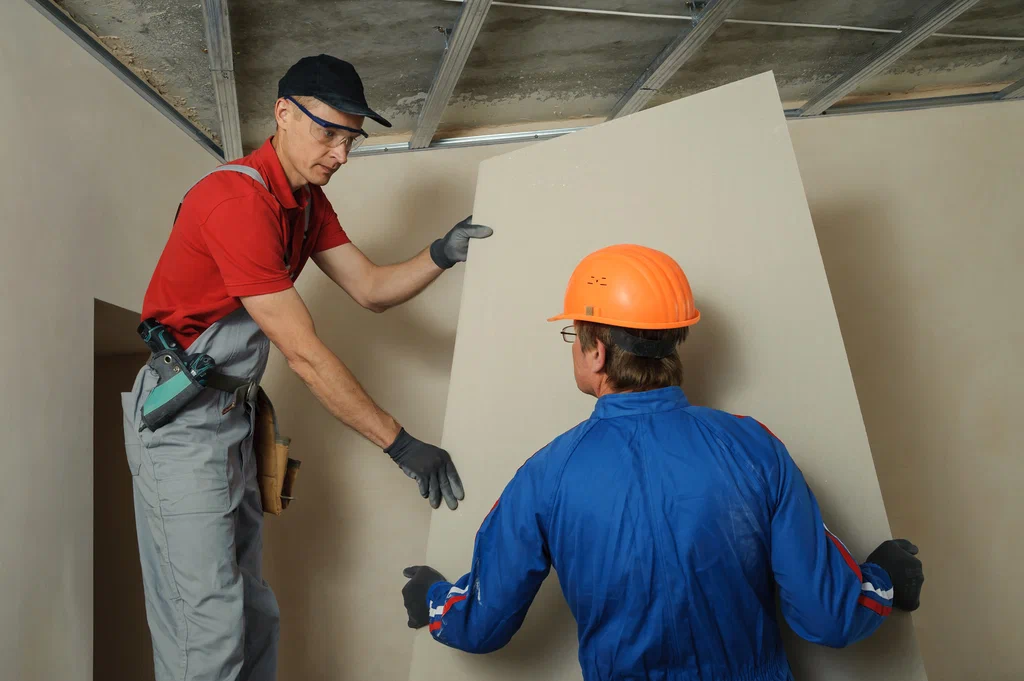
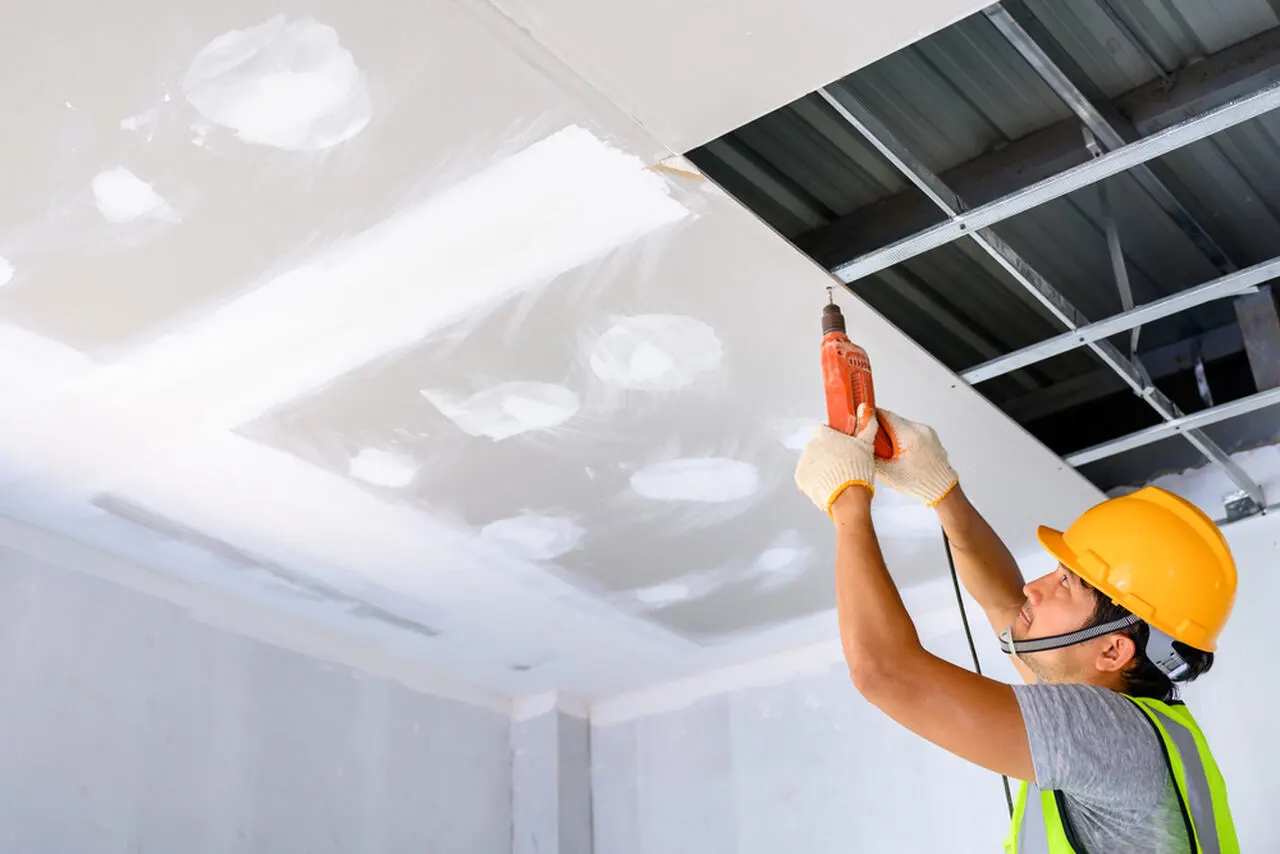
The average cost of drywall installation in 2025 is $1.50-$3.50 per sq ft, though it can vary widely, and is influenced by so many factors, such as materials, labor, equipment, location, finish quality, type of room, etc. We will see the cost of the drywall project, examine every factor, and cost.

The Roughly Estimated Drywall Cost

Factor Cost
Typical installed cost (national average, 2025) $1.50–$3.50 / sq ft
Material cost per 4×8 sheet (standard gypsum board) $10–$25 depending on thickness/type (1/2″, 5/8″, speciality)
Tape / mud / finishing add-on $0.35–$1.50 / sq ft, depending on finish level and texture
Taping (linear-foot basis) ~$1.20–$1.50 / linear ft (common for hallways and small jobs)
Ceiling installs expect $1.50–$6.50 / sq ft for complex ceilings

Are You Concerned About the Drywall Installation Cost Elements?

Break the drywall installation cost into individual factors; it will help you keep your project under budget control.

1.    Materials

Materials Cost Note
Drywall panels (4×8, 32 sq ft coverage) $10–$25 each Thicker, fire-rated, or soundproof panels cost more. Multiply the sheet price by the total sheets.
Joint compound (mud) $15–$40 Price per 3.5–5 gallon bucket, based on brand and type.
Tape & corner bead Tape rolls $3–$8; metal bead $2–$5/ft


Cost depends on the product and quantity used.
Fasteners (screws/nails) $5-$20 Price per box varies with quantity and grade.
Accessories (adhesives, sealants, sandpaper) $100–$500 Small cost but adds up with tthe otal area.
Waste/disposal $100–$500 Expense changes with the amount of material waste.

 Let’s understand this with an example!

Consider 1,000 sq ft of drywall.

Divide 1,000 by 32 to get sheets.

1,000 ÷ 32 ≈ 31.25 sheets

Since the sheet cost is $18, multiply it by the total number of sheets required.

$18 x 31.25 sheets = $562 material cost for panels

This figure is without the cost of tape/mud/fasteners.

2.    Labor

Labor is often the largest variable. Installers charge by the sq ft, by the sheet, or hourly. National aggregated ranges for installed work are $1.50–$3.50/sq ft (labor + materials included typically).

For labor-only, expect a lower per-sqft figure — many pros will list labor separately as $0.80–$2.50/sq ft depending on finish, accessibility, and crew efficiency.

3.    Finishing & Texture

Finish level (0–5) dramatically affects the time and cost of drywall installation. Simple textured finishes are cheaper than a Level 5 smooth finish. Budget an additional $0.80–$3.00 / sq ft for higher-level finishes/textures.

4.    Overhead & Margin for Contractors

Pros build travel, tools, insurance, profit margin, and contingency into their bids: typically 15–30% markup over cost/crew labor. This explains why contractor quotes are higher than DIY shop calculators.

Read More:How Much Does Masonry Work Cost Per Hour

Drywall Installation Cost in 2025

Room-by-Room Drywall Cost Guide

As already mentioned, the room type affects the drywall installation cost significantly. Here are more details for your better understanding

Small Bathroom

Seems small, but actually the trickiest one. Its cost is mostly higher side per sq ft due to plumbing, fixtures, corners, and moisture treatment needs.

  • Area: 200–250 sq ft
  • Cost: $300 – $1,000
  • The important cost drivers: Moisture-resistant drywall, additional cutting, corner bead, and high finish (when it is visible).
  • Tip: Use narrower panel widths to reduce waste in tight walls.

Standard Bedroom (12×12)

Sweet spot. Straight walls, flat ceilings, not much complexity. Good case for baseline drywall estimates.

  • Area: ~500–550 sq ft
  • Cost: $580 – $1,800
  • Key cost drivers: Ceiling and finish level
  • Tip: install small windows and spend less on highlighting.

Large Living/Open Space

High ceilings, elevated walls, high-end lighting, and access use by people all these factors increase the cost of drywalling a large living space.

  • Area: 800–1,200+ sq ft
  • Cost: $850 – $3,100
  • The important cost drivers: Height, drop zones (vaulted ceilings), bulk of board (used to minimize per-sqft).
  • Tip: Get professional assistance to finish this space.

Garage

Often overlooked finishing. But in order to get it to appear decent and safe, use fire-rated drywall on this area..

  • Area: 730–1,130 sq ft
  • Cost: $1,000 – $3,900
  • Key cost drivers: Fire code (Type X), heavier panels, less forgiving surfaces, possibly double layers.
  • Tip: You can skip the ceiling to reduce the drywall expense.

Basement

Finishing basements is one of the tougher ones to estimate—many variables.

  • Area: 1,000–2,000+ sq ft
  • Cost: $1,500 – $7,000
  • Key cosy drivers: Moisture board, multiple partition walls, ductwork/utility holes, height variations.
  • Tip: Do not put all the estimate rooms together in the basement. This is because each room should be separated (bedroom, rec room, storage, etc.).

The following is a sample of a template that can be used to simplify the drywall estimates per room, size notes, area, and cost, and aspects that can make the cost more expensive.

Read More: How to Estimate Plumbing Cost for New Construction

Room Type Typical Size / Notes Estimated Drywall Area Estimated Cost Range What Raises / Lowers Cost
Small bathroom ~5′ × 8′ walls + ceiling 200–250 sq ft $300 – $1,000 Wet-resistant board, numerous corners, plumbing cutouts, high finish.
Standard bedroom (12′ × 12′, 8′ ceilings) walls + ceiling ~500–550 sq ft $580 – $1,800 Ceiling included, finish level (Level 4/5), window/door cutouts
Large bedroom/primary (12′ × 20′) walls + ceiling ~700–900 sq ft $750 – $2,600 More height, more wall length, more finishes
Living room (16′ × 20′) open space, possibly cathedral ceilings 800–1,200+ sq ft $850 – $3,100 Higher ceiling, more lighting (finish scrutiny), bulk discount
Garage (20′ × 20′) walls & ceiling (if finished) ~730–1,130 sq ft $1,000 – $3,900 Fire-rated drywall requirement, more durable board, high finish
Basement (finishing) 1,000 sq ft area, multiple rooms 1,000–2,000+ sq ft $1,500 – $7,000 Moisture board, irregular layouts, utility penetrations
Small kitchen/laundry moderate walls, corners, cabinets 300–600 sq ft $600 – $1,500 (or more) Many penetrations (plumbing, vents), moisture board, and finishes

How the Finish Level Affects the Drywall Installation Cost (Level 0 to Level 5)

Finish level is a major factor since it defines how fasteners, seams, and surfaces are refined. The higher the level of drywall finish, the more it will cost, but promising quality.

  1. Level 0: Just hung. No tape or mud. Used in temporary construction. Cheapest, rarely used in finished homes.
  2. Level 1: Tape only at joints. For plenum/ceiling above drop ceilings. Minimal finish.
  3. Level 2: One coat of joint compound over tape; usually for garages or areas not receiving heavy scrutiny.
  4. Level 3: Two coats; suitable for areas to be painted with heavy texture. Common in budget remodels.
  5. Level 4: Two coats plus a skim coat; ready for light textures and flat paints. Most interior walls are Level 4.
  6. Level 5: Full skim coat and smoothing — required where light reflections will show imperfections (e.g., high-gloss paint, critical spaces). Most expensive.Drywall Installation Cost

Here is a table showing the cost required for different drywall finishes (2025).

Finish Level Cost
Level 0–1 $0.00–$0.50/sq ft beyond hanging
Level 2–3 $0.50–$1.50/sq ft
Level 4 $1.00–$2.50/sq ft
Level 5 $2.00–$4.00/sq ft (or more for premium skim + sanding).


Pro Tip: Decide on the level of finish based on the lights and paint in the room. If glossy paint is used with the purpose of direct sunlight coming inside, go with level 5. Level 4 comes as the second option.

The Budget Hike When You Consider Speciality Drywall

Speciality boards cost more but solve problems that can be expensive later.

Specialty Drywall Cost  Use
Moisture-resistant (green board / MR) $15–$30 per sheet Bathrooms and basements
Fire-rated (Type X) $15–$40 / sheet Garages, stairwells, and between units
Soundproof (acoustic) drywall $40–$80 / sheet Media rooms and between units
Dimpled or cement board Prices vary and are usually charged as separate line items Tile backer in wet areas

Note: These can double or triple material budgets for affected areas. Contractors also charge more for handling (heavier panels, special screws, adhesives).

The Affect of Region, Site Complexity, & Accessibility On Drywall Installation Expense

Remember that the national average given above is without these factors; add them when estimating the drywall costs.

  • High-cost metros (NYC, SF Bay Area, Boston): Add 20–50% to national averages. Labor and permit costs drive this.
  • Rural areas: Labor scarcity can push rates up, or be cheaper depending on local wages.
  • Tight spaces / historic homes: Small rooms, tall ceilings, scaffolding, or fragile environments add labor time — budget 25–100% more for difficult access.
  • Rapid rebuild or emergency jobs: Premium rates (overtime) apply.

What Should You Do for Accurate & Precise Drywall Cost Estimates?

You can hire professional drywall estimators to help you with budget calculation in case you do not have time or don’t know how to do the calculations. They will give you a comprehensive cost evaluation in that instance, and this will assist you in avoiding budget and time overrun.

FAQs

What is the cost per square foot to install drywall?

$1.50–$3.50 per sq ft installed (typical range in 2025). Use $2.20–$2.65 as a practical average for budgeting.

How much is a sheet of drywall in 2025?

$10–$25 per 4×8 sheet for standard gypsum; speciality boards cost more (moisture, fire, sound). Retailers list similar ranges.

How much for a Level 5 finish?

Level 5 finishes can add $2.00–$4.00+ / sq ft over basic hanging costs because of the labor-intensive skim, sanding, and time required.

Is drywall a good DIY job to save money?

Ceiling large sheets and having a professional finish is hard work and skillful. DIY can help in saving money on materials; however, it will cost in terms of tools, time, and even rework in case of the finish being of high importance. For Level 4–5 finishes, pros are usually worth the cost.

What drives the biggest cost surprises?

Hidden framing damage, need for speciality boards, access and heights, and the selected finish level.

author patterson
Author Profile

James Patterson

I’m James Patterson, a writer at Estimators.us. I cover home project pricing, contractor insights, and cost-saving strategies across roofing, remodeling, and energy upgrades. My goal is to translate complex estimates into plain-English guidance so homeowners and small businesses can budget with confidence and avoid surprise costs. I also track market trends, permits, and regional price swings to keep our guides practical and up to date.

Building Materials

Top 10 Online Sources for Building Materials in the US

These days, buying things online has become normal for almost everyone, and the same is now true for building materials in the US. Many people choose online options because they save money, while others prefer the ease of shopping from home. Sometimes it is just about finding items that aren’t sold nearby.

In the past, contractors would have to make do with what they could find at the local hardware store or at the lumberyard. Larger orders often came from distributors, as bulky items like wood or steel were not easy to ship. It made local shopping the main option for years.

Now, times are changing. Many trusted hardware chains offer online shopping, but they are no longer the only choice. New online platforms are emerging and providing builders with more options than ever. With that in mind, let’s explore the top 10 online sources for building materials in the US.

Read More: How to Estimate Plumbing Cost for New Construction

Reliable Websites for Construction Materials

Here are all the famous sites that are the sources for building material purchase:

1. Lowe’s

Lowe’s has a wide selection of goods and equipment for building, along with tools for home improvement. Indeed, the store is designed in a warehouse-style to cater to both end consumers and builders or contractors. Many a time, people lean toward Lowe’s because it boasts quite an ample selection of tools, hardware, and building commodities. It is easy to navigate the store, and the staff are most of the time helpful.

Lowe’s offers a wide range of lumber, flooring, and specialty products for construction. You can get everything from materials for minor home repairs to those for significant projects. Their online store is very systematic, and most products can either be picked up from the nearest outlet or delivered. Lowe’s is what most customers resort to for good quality at reasonable prices.

Lowe’s offers a variety of sales and promotions to help you save money on big purchases. Although some may be specialized, the majority of everyday building needs are provided. It thus poses stiff competition to Home Depot in terms of construction and home improvement supplies.

Pros Cons
Wide range of building supplies and tools. Not every location has the same stock.
Stores are clean and well organised. Special items may cost more.
Delivery to job sites saves time and effort. Some stores can have slower service at busy hours.
Same-day pickup for many online orders.

2. Home Depot

Home Depot is one of the most popular places to buy building materials. It is a large warehouse-style home improvement store and lumber yard. Both contractors and homeowners visit the store to get supplies for many types of projects. Home building materials are made easily accessible to people through big players like Home Depot.

The store carries a wide range of lumber and construction products. If you are looking for general or specialty materials, you will find them here. The company also offers more options online compared to what is available in-store. You can order online and pick up your item at the nearest store. Alternatively, they deliver orders straight to the construction site, providing a convenient option for busy contractors. This blend of online and local services, which is preferable, is an essential choice for many building projects.
Building Materials in the US

Pros Cons
Wide range of building materials. Stores can be crowded.
Easy online and in-store shopping. Some items are not always in stock.
Reliable delivery service to sites. Customer service can be slow at times.
Good prices on many products.

3. Menard’s

Menard’s is another well-known warehouse that serves both local and online customers. It may not be as large as Home Depot or Lowe’s, but it is still very commonly found in many areas of the country. Even if you don’t live near a store, Menard’s is very good at shipping your orders all over the country, so it’s very dependable. Many homeowners and contractors go to Menard’s because it combines good customer service with a broad choice of products.

Menard’s works as both a lumber yard and a supplier for other building needs. It is a strong choice for residential projects and smaller commercial jobs. While it may not cater to the needs of massive construction projects, it covers most common requirements. The stores also sell appliances and offer equipment rentals. Menard’s even has a presence in Canada, which makes it helpful for cross-border projects. Contractors on either side can benefit from their services.

Pros Cons
Menard’s has lower prices on many building items. Stores are not as common as Lowe’s or Home Depot.
You can order online and get shipping across the country. They do not carry items for huge projects.
They sell lumber, tools, and home supplies in one place. Customer service can feel slower at busy times.
Many stores also rent equipment to contractors. Some products may not have as many brand options.
Menard’s has stores in Canada for cross-border projects.

4. Ace Hardware

Ace Hardware is a useful store for many homeowners and small contractors. Most towns in the US have at least one Ace nearby. You don’t always need to shop in person, as Ace also offers an online option. You can order screws, paint, or other small tools online and pick them up from your local store. Some items can also be shipped to your home.

One thing to know is that the online store shows what your local Ace has in stock. It is not like bigger stores that carry a wider online catalog. But you can still place orders and have them delivered to your nearest Ace.

The best part is convenience. Local stores have shorter hours, but online ordering works anytime. If you need supplies late at night, you can order and collect them the next day. It helps both workers and homeowners save time.

Pros Cons
Stores are located in most towns across the US. Prices can be higher compared to bigger chains.
Online ordering makes shopping more flexible. Stores are smaller, so stock is sometimes limited.
Easy to pick up items at your nearest store. Shorter opening hours than large retailers.
Helpful staff with good knowledge of products.
Smaller stores are easier to move around than big warehouses.

5. Hardware World

Hardware World is an online hardware store with one warehouse. They do not offer local delivery or pickup, so you must wait for shipping. The stock carries building materials and hardware. Its main strength lies in the availability of rare and hard-to-find parts. It makes them quite handy for special projects that require odd sizes.

However, they do not sell appliances, so you may need another supplier for those. They also do not provide free shipping. It is essential to include delivery time and cost when planning your project.

Pros Cons
Large collection of building materials and hardware No local pickup option
Offers rare and hard-to-find parts No appliances available
Easy to order online No free shipping
Good for special projects Delivery wait time can slow projects
Wide variety in one place

6. Do-It Best

This is a well-known hardware supplier that mainly serves DIY customers, but it is also useful for contractors. It is one of the largest hardware store groups in the United States. They are everywhere in every state and carry a huge online inventory that easily gets customers whatever they need to order.

A great number of screws, nails, or tools in small packages might be just some of the things that a contractor needs in large packages from this store. Orders can be picked up in-store, shipped to one of their local branches, or delivered straight to a worksite. Do-It Best is very convenient for small projects where quick supply is important.

However, it does not carry many heavy-duty building materials. It is not the best option for large construction projects, but for small jobs and quick needs, it is a very good and trusted choice.

Pros Cons
Stores available in every U.S. state. Limited heavy-duty building materials.
Large online inventory for easy ordering. Not the best choice for big projects.
Good for buying small items in bulk. More focused on DIY customers than contractors.
Orders can be shipped to a store or a worksite. Some items may take longer to arrive if not in stock.
Saves time and reduces shipping costs.

7. True Value

True Value is a hardware supplier that works much like Ace. You place your order online and then pick it up from your local store. Having a nearby store is vital because orders must be collected locally. They also ship online-only and out-of-stock products to your chosen True Value store. The selection is broad but not very deep, focusing more on standard hardware and household needs. You can even order cleaning supplies online. It is a good option for smaller orders.
Online Sources for Building Materials

Read More: How Much Does it Cost to Build a 12×12 Shed?

Pros Cons
Easy online ordering from your local store. Must have a local store to pick up orders.
Ships online-only or out-of-stock items to the store. Selection is limited compared to bigger chains.
Offers a variety of hardware and household items.
Convenient for small orders and quick pickups.

8. Build Direct

Look at the Build Direct. This is an online supplier that sells directly to builders. They differ from other stores in that they focus on wholesale orders. Large or expensive items can be shipped straight to the job site. Sometimes, they can send pallets directly from the manufacturer. It makes it very convenient for contractors who need large quantities of materials.

Their main products are flooring, decking, siding, kitchen, and bath items. Not as expansive as larger stores, you may need a secondary supplier for other building materials. Build Direct is best suited for projects that require large quantities of finishing materials. It is easy to order online, but planning is crucial because delivery may take some time for large shipments.

Pros Cons
Ships large or bulk orders directly to job sites. Smaller product selection compared to big stores.
Can send pallets straight from the manufacturer. May need other suppliers for some materials.
Good for flooring, decking, and finishing materials. Delivery for large orders can take longer, requiring planning ahead.
Saves time compared to using local suppliers.
Easy online ordering for builders and contractors.

9. SupplyHog

SupplyHog.com is an online supplier that works with local partners. It sets them apart from regular retailers in that they combine online sales with local delivery. It breaks the barrier of getting materials for a project.

Screws and metal studs are light and can be shipped directly from SupplyHog. Lumber is heavy and difficult to ship. For these, SupplyHog connects you with a local partner who can deliver them to your job site. It saves time and shipping costs for contractors.

SupplyHog also sells appliance parts and smaller finishing items, but not large appliances. Their system works well for people who need both small and large items. Contractors and homeowners can order online and still get fast local delivery for heavy materials. SupplyHog helps save time, reduce shipping problems, and get materials efficiently.

Pros Cons
Small items can be shipped directly to you. Delivery depends on local partners, which can vary in speed.
Combines online ordering with local delivery. Does not sell large appliances.


Saves money on shipping large materials. Some items may not be available at all times.
Good for contractors who need both small and large items.

10. Amazon

Everyone knows about it. Amazon is a large online store that sells many building supplies. Ships from Amazon’s warehouse or directly from the seller, and it’s essential to know where the item is coming from and when it will arrive, just in case. Amazon is great for stuff like hardware, fittings, and the like that are hard to find.

You can easily compare prices and ensure you get what you want, whether it’s small tools, screws, fasteners, or even specialty items. You can buy all the small tools, screws, fasteners, and specialty items online. Prime shipping is used to help speed the delivery of some items, but when they are large or heavy, it can take quite a long time.

Pros Cons
Wide variety of building supplies available. Large or heavy items may take longer to arrive.
Easy to compare prices and find what you need. Some products come from third-party sellers, so delivery times vary.
Some items ship quickly with Prime. Not all products are available in every area.
Good for hard-to-find hardware and fittings.
Convenient online shopping from home.

Hire Estimators to Eliminate Material Purchasing Hassle & Focus on Building!

Choose the site or store after proper research, and according to your project’s requirements. If you hire USA Estimators, the company’s experts will handle everything themselves, including comparing prices, checking availability, selecting the right materials, saving you time, and providing the right supplies for your project. Hire professionals and experience the difference!

FAQs

What is the supply chain of construction materials?

The construction supply chain entails the process of carrying equipment, materials, and any other requirements to the site where construction is going on. At every construction site, proper management of the supply chain ensures continuity of work because laborers cannot improvise in the absence of pertinent tools and supplies.

Can I get bulk discounts on large orders?

Yes, many online building material sites give discounts in case you buy them in bulk, so buying in volume saves a considerable amount for a contractor or project manager. Volume discounts typically revolve around quantity, material type, and the supplier’s policy, and can thereby prove very useful for cost control and reducing total project costs.

Are online building materials more expensive than those found in local stores?

Online building materials are not always more expensive than local stores, since a lot of these websites will be offering competitive pricing in terms of bulk discounts.